Black’s Distillery: In The Heart of Peterborough, Ontario

Award winning Black’s Distillery is located in the heart of Peterborough, Ontario. This absolutely outstanding, one of a kind distillery won the gold medal for gin at the San Francisco World Spirits Competition! No surprises and well done!

Owned and operated by Robert Black and his wife Barb, the couple have operated the distillery since 2016. They are aided by a small staff: Chris, sales and production; Helen, tasting and retail; and Joanna, tasting and retail.

1

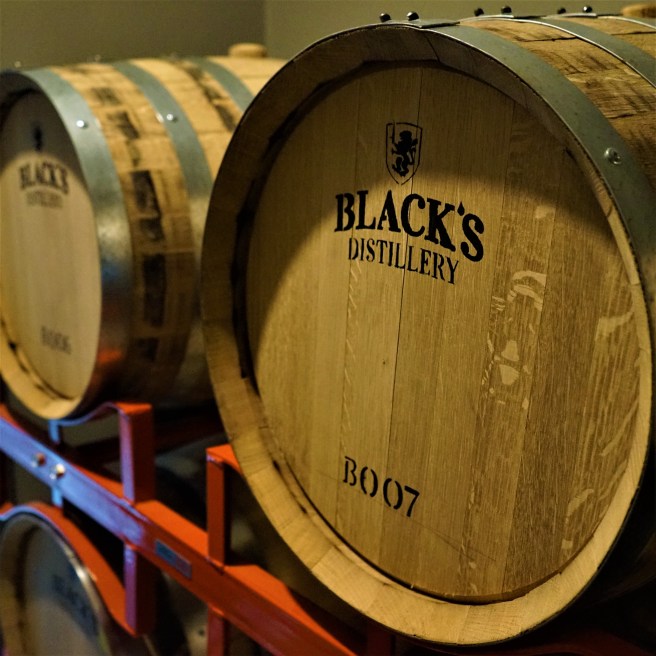
Barrels of whiskey maturing. You could really get a sense of the Angels’ Share.

Robert was a tool and dye maker for 36 years. His story for how he developed a love for the science of distilling – from grain to glass – is an interesting one. Robert is of Scottish descent. One day in 2010 while in Scotland on a whisky tour with his brother in Islay he discovered the peat process and simply fell in love. For a while he talked about the idea of making whisky and it was Barb who talked him into taking a distillers course in British Columbia.

Following the distilling course, Robert and Barb decided it was time to set-up Black’s Distillery. With Barb’s background in marketing and Robert’s newly found background in distilling they make the perfect team; she does the administration and marketing and he does the distilling and networking. They’re the Whiskey A-Team!
2a

Barrels of whiskey maturing in the storage room.

Women’s Whisky World was fortunate enough to meet with Robert and Barb for an exclusive interview the highlights of which I shall share with you here:

Women’s Whisky World: What do you look for in a great whisk(e)y/?

Black’s Distillery: A unique profile.* A whiskey with notes of honey, vanilla and floral; something strong, but not harsh. I like a rich flavour, something where you’re able to taste the quality or depth. Something that is not artificially flavoured. The same goes for gin and vodka; something not too harsh.

*Something I noticed is that all of Black’s Distillery’s whiskey’s have a most pleasurably unique flavour profile.

Women’s Whisky World: Agreed. I prefer an unflavoured whiskey myself. What sets your whiskey apart on the market? What makes it stand out?

Black’s Distillery: All spirits are from 100% locally grown grains with the exception of a barley whiskey that has some imported UK peated barley; everything else is locally grown and milled. As well, the terroir really comes out in the grain. We don’t use corn; we use rye and call it rye. Black’s doesn’t flavour any of its products, rather we go for the heart cut. Cuts are part of the magic.

Interview continued beneath photograph…

3

Entrance to the Storage Room.

Women’s Whisky World: Something that really caught my attention about Black’s Distillery was the option to purchase new make whiskey. What inspired you to bottle and sell new make?

Black’s Distillery: For starters, the taste. It’s fresh. Also, many people haven’t tried it and I wanted to offer a pre-oaked experience. Our new make barley is the only one on the market that we’ve ever seen.

Women’s Whisky World: I would tend to agree. I haven’t seen another barley new make on the market. It’s quite extraordinary. What made you choose this location for Black’s Distillery over all other available options?

Black’s Distillery: There’s a cafe district across the bridge. It is a bustling part of town. This used to be a dry part of town but that has changed in the last 40 years. We looked for a year to find the right fit. Part of what we liked about this place is that it has lots of windows, which is perfect for showing off the machinery. Also, there’s a nice bike path and lake nearby, so we get walk-in traffic. The parking lot is an important feature, too!

Interview continued beneath photograph…

5

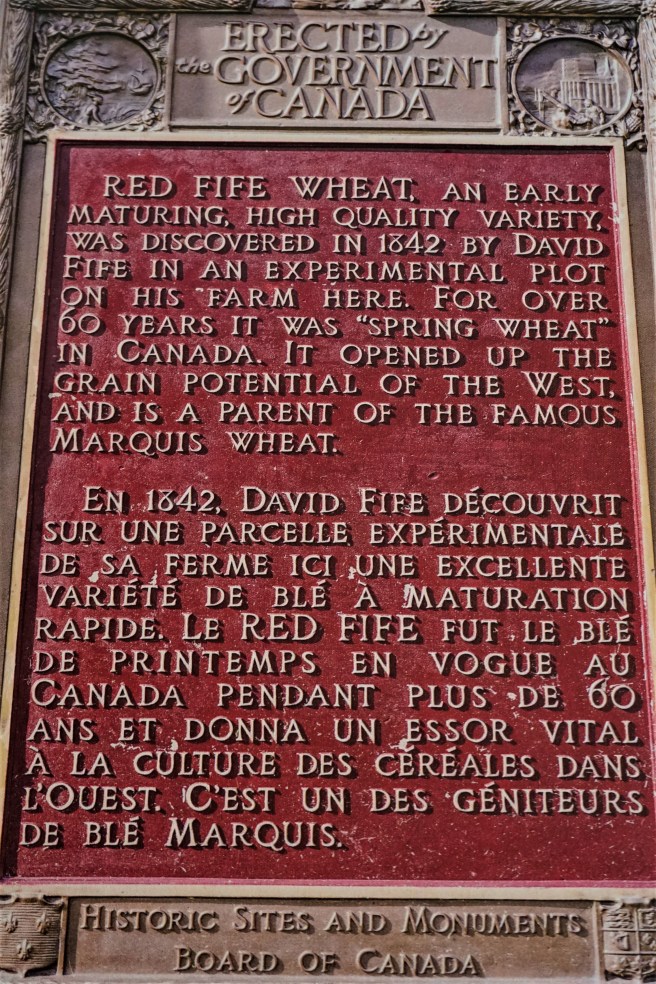
Portrait of David Fife, developer of Red Fife wheat.

Women’s Whisky World: If you could give a tip to someone else starting out in the business what would it be and why?

Black’s Distillery: Open where there’s plenty of foot traffic to bolster revenue for that first year.

Women’s Whisky World: What’s your favourite aspect of the business?

Black’s Distillery: Meeting people. I was a tool and dye maker for decades, so it’s nice to get out of the shop and meet people. I also like sourcing out materials, traveling to get barrels. I get to travel to New York City for the Distributors’ Show.

Interview continued beneath the photographs…

7

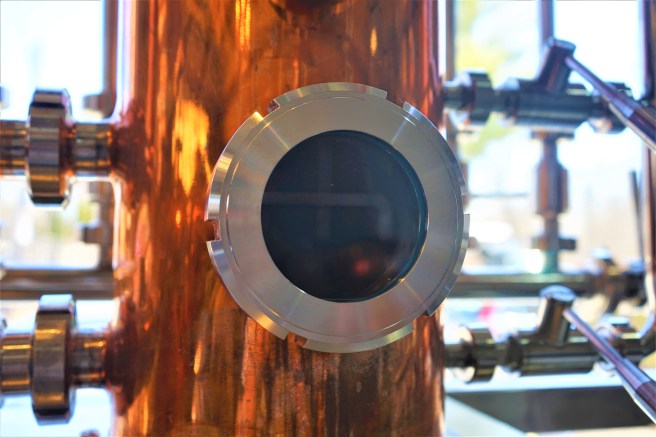
Whisky creation machinery in the Great Room of Black’s Distillery.
8

9

A photograph of the beautiful decor in the Great Room at Black’s Distillery

10b

11

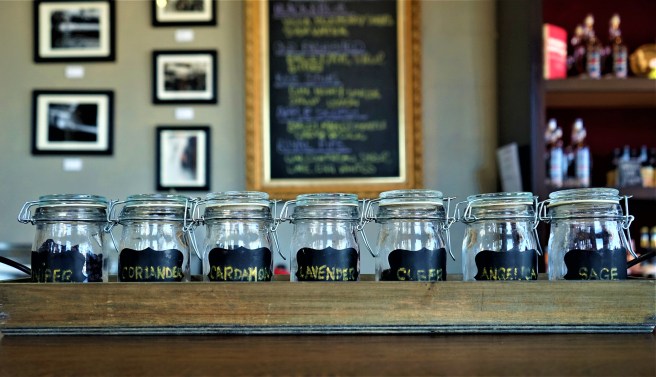
Various spices to help you hone your senses.

Women’s Whisky World: What draws visitors and repeat visitors to Black’s Distillery?

Black’s Distillery: The quality and the taste profile of the spirits. The spirits are unique for people to taste; there is nothing regular about them. The gin is very popular; it’s sales are exploding.

Women’s Whisky World: This has been great! I have one final question before we move into the tasting aspect of the tour. Of the spirits you make, which one is your favourite and why?

Black’s Distillery: There is no favourite. I like them all for different reasons.

Women’s Whisky World: That’s just wonderful. How about we move into tasting the spirits now and getting some tasting notes written down for my readers?

Black’s Distillery: Sounds great. Let’s head over to the bar.

12a

Heritage Vodka Tasting Notes

Nose: Red fife wheat, buttery popcorn, anise

Palate*: Light on the palate, spicy, sweetness, sweetgrass

*Women’s Whisky World Note: This was the best vodka I have ever tasted

Finish: Figs, smooth, buttery, long
13

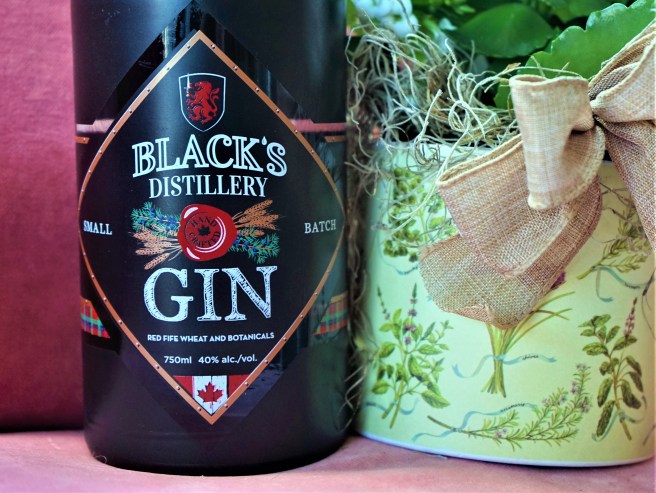
Gin Tasting Notes

Nose: Lime, lemon, sage, cardamon

Palate*: Ginger, pepper, honey, blueberries, spruce

*Women’s Whisky World Note: Without exaggeration, this was the best gin that I have ever tasted.

Finish: Light and refreshing. Light anise. Long and smooth. Some lavender.
14a

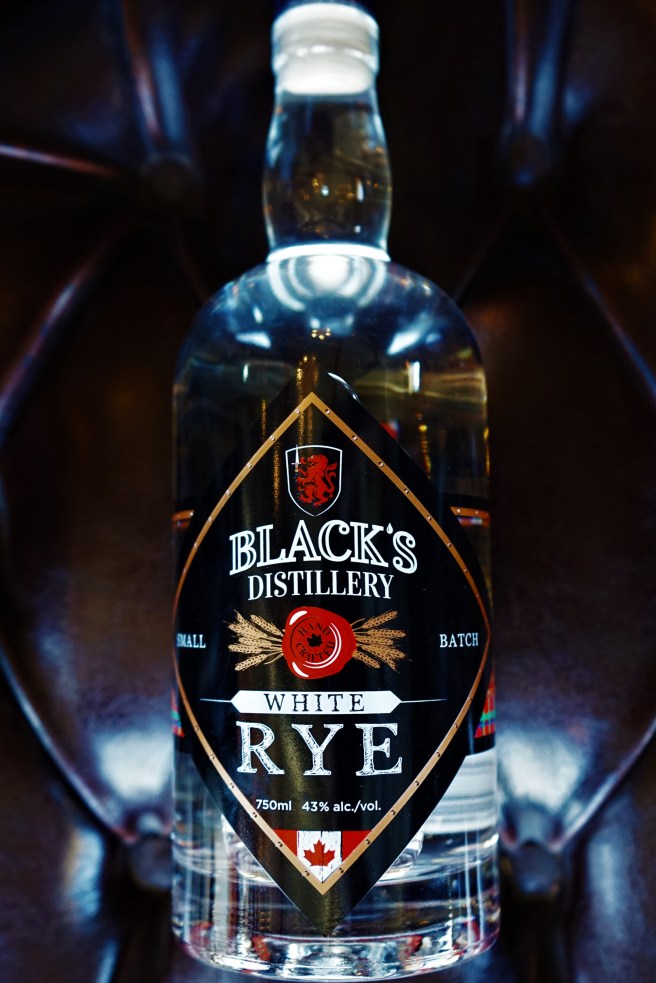
White Rye* (New Make) Tasting Notes

Nose: Rye grain, citrus (orange), pear, cherry blossom, vanilla, rye bread

Palate: Pepper (just the right amount), oak, celery, sage, green grass, nutmeg, cinnamon.

Finish: Remarkably smooth and long

*Robert prefers to make his Old Fashioned with the White Rye because of the balance in the finished cocktail.

White Rye Aged 6 Months in 1/4 Cask**

Nose: Caramel, vanilla, cherry, oak, leather

Palate: Orange, cinnamon, vanilla, caramel

Finish: Long, smooth and gentle

**Women’s Whisky World Note: If I didn’t know before tasting this whiskey, I would have thought it to be aged at least 15-18 years. It’s unchilled state leads to an instant viscosity on the palate that is simply gorgeous! With a dash of water it opens up the whiskey to add maple on the nose and it amplifies everything on the palate adding a spicy factor. This whiskey is simply glorious.

15

White Barley (New Make) Tasting Notes

Nose: Barley, terroir of the soil, subtle peat, chocolate, roses, cucumber, leather, cinnamon, black pepper, truffle, pipe tobacco, vanilla, coffee, toffee

Palate: Sweet, cinnamon, chocolate, peppery, caramel

Finish: Immensely smooth

With water this opens up the whiskey to reveal greater notes of vanilla and toffee on the palate.

White Barley (Aged 6 Months) Tasting Notes

Nose: Barley, lightly peated, citrus, leather, cedar, gooseberry, current

Palate: Tangerine, orange, black pepper, honey, caramel, chocolate-orange

Finish: Orange, smooth, long

Water amplifies all flavours and really kicks up toffee and chocolate.
16

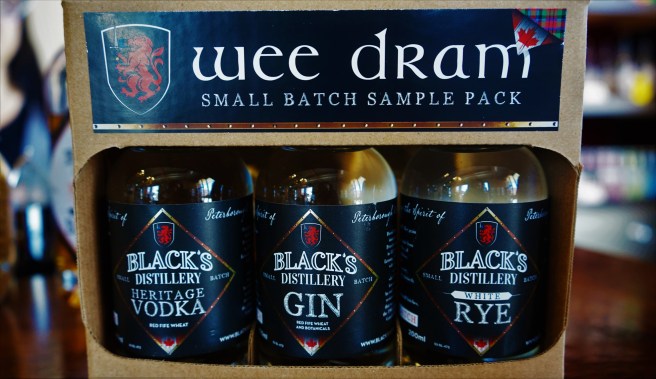
If you can’t wait to try all three then grab this perfect starter pack of Heritage Vodka, Gin, and White Rye (New Make).

I saved arguably the best for last…dessert! Get ready for these tasting notes. These will really rock your socks off. You’ll want to purchase three bottles!

17

Cherry Whiskey Liqueur Tasting Notes

Nose: Rye and Oloroso sherry

Palate: Strong cherry, undertone of clover and lavender

Finish: Deliciously long and smooth

18

Black’s Distillery’s Line-up. Each is unique and outstanding in its own way.

19
The bar
20
Behind the bar

21

Women’s Whisky World would like to humbly thank Black’s Distillery for this incredible opportunity, to visit and interview the distillery. Women’s Whisky World wishes Robert, Barb and their staff all the best in their future endeavours. Slàinte🍀

_______________________________

You can follow me on Facebook, Twitter/Instagram:

Facebook: @WomensWhiskyWorld

Instagram/Twitter: @ChantailleMarie
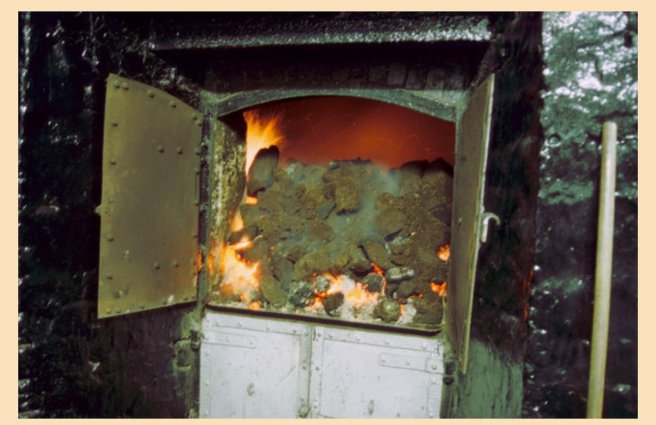
Smoke in the Whisky in the Jar

Photo Credit: whisky.com

There’s plenty of discussion and debate over what makes a whisky smoky. After considerable research I have broken it down into four main categories with smoke as an umbrella term comprised of the following: peat; toasted barrel; charred barrel; bio-organic sulfuric molecular compounds, the byproducts of yeast fermentation.

The first source of smoke in whisky, and arguably the source with the most notariety is peat smoke. Peat is a fossil fuel used for heating in many parts of the world; it is also used for imbuing natural flavouring into whisky. This is accomplished by drying the barley for approximately 18 hours which causes the aromatic compounds in peat smoke to adhere to the barley. This drying time varies by distillery and varies by whisky depending on desired flavour profile. Generally speaking a longer drying time yields a higher part per million (ppm) of peat smoke particles having adhered to the barley, which is what will offer its unique peaty scent and flavour. Peat is not for the faint of heart. It’s boggy, but like opera or Baroque music once you’re turned onto it you cannot get enough of its undertone or even overtone. One thing to note about peat, what’s written on the bottle isn’t always what’s in the bottle; sometimes the ppm on the bottle expresses what was on the drying floor. Regardless, one can expect the higher the ppm the more peat presence will be in the final product.

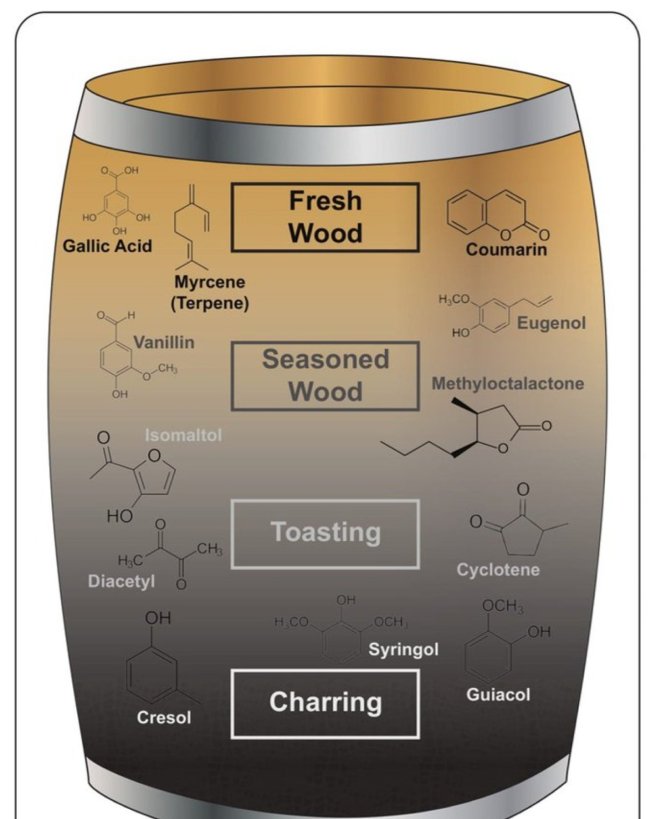
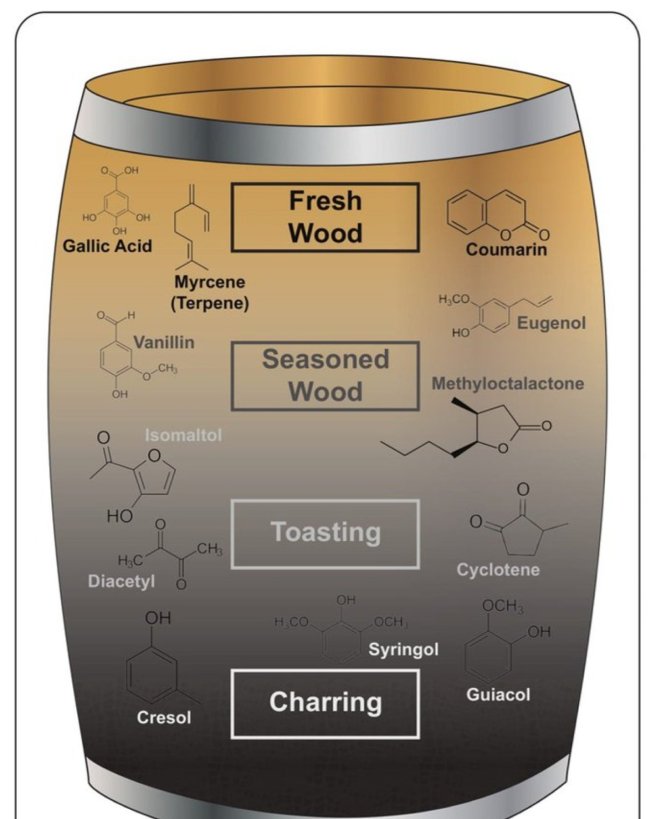
The second source of smoke in whisky comes from toasting a barrel. Toasting a barrel lightly alters the composition of the wood revealing new organic compounds, such as diacetyl, cyclotene, and isomatol. These can be viewed in the diagram below. In short, toasting the barrel releases these compounds, which releases a warmth into the whisky that would otherwise not be present.

Reference: https://talesofthecocktail.com/in-depth/influence-wood-flavor

The third source of smoke in whisky comes from a charred barrel. Quite simply, the burnt nature of the barrel releases “burnt” compounds into the whisky: cresol, guiacol and syringol as examples. See the barrel figure again, reference the bottom three chemical compounds as an example of how a charred barrel impacts the flavour and aroma of a whisky:

The fourth source of smoke in whisky is in the form of bio-organic waste products eminated from yeasts, sulphuric compounds released during the fermentation process:

https://vinepair.com/articles/glenkinchie-why-use-copper-stills

Sulfur has a unique scent, like that of rotten eggs, it’s iodine-like; however, don’t mistake sulfur for iodine. Women’s Whisky World’s exclusive blog has cited a scientific study, which shows that while present in whisky the concentration of iodine is insufficient to impact either a whisky’s flavor profile or aroma. See more about iodine in whisky here:

https://womenswhiskyworld.home.blog/2019/03/22/is-that-iodine-y/

Getting back to one of the byproducts of yeast during the fermentation process, sulphuric compounds are often picked-up in the copper stills during the distillation process, however Master Distillers can alter flow rate and choose the shape of a still so as to effect the outcome of a whisky’s flavour profile. For more information on this visit Women’s Whisky World’s exclusive blog site in the copper distillation process here:

https://womenswhiskyworld.home.blog/2019/03/30/still-shape-its-impact-on-whisky-flavour/

The next time you’re at a whisky gathering and someone comments on the smokiness of their whisky now you will know what they mean. Is it gentle or heavy peat flavour and aroma? Is it a meaty smoke from charring or a lighter smoke garnered from toasting, or could it be the more subtle medicinal undertones detected in whisky from the bio-organic sulfuric byproducts of the yeasts of fermentation? You won’t need to wonder anymore because now you know. Sláinte.

Yeast References for Further Reading:

https://scotchwhisky.com/magazine/ask-the-professor/15315/does-yeast-affect-the-flavour-of-whisky/

https://scotchwhisky.com/magazine/features/22834/is-yeast-whisky-s-new-frontier-of-flavour/

https://www.whitestaryeast.com/yeasts/whiskey

Triple Cask? Triple Oak? Triple barrel? Triple confused???

Quarter barrel aged! Triple barrel aged! It all sounds so fancy, but what does it really mean? For this blog post I’ll keep it short and sweet by focusing on the triplets: triple aged, be it in oak, casks, or barrels; don’t worry yet about what the differences are because I’m coming out with another post in future.

However, this business of triple aged, what is it? It’s actually rather simple. I’ll break it down for you. It just means that the whisky was aged in three separate casks all of which impart a different flavor on the whisky.

Let’s take for example the Glenliviet Master Distiller’s Reserve. Have a look here. It talks about three separate casks: Traditional Oak, American Oak and ex-Sherry Oak.

Photo Credit: theGlenliviet.com

Voila! Three separate casks to age a whisky in equals “triple cask” aged whisky. In this case since they’re all oak casks it would be appropriate to call it “triple oak” aged whisky.

C’est tout. That’s it. That’s all.

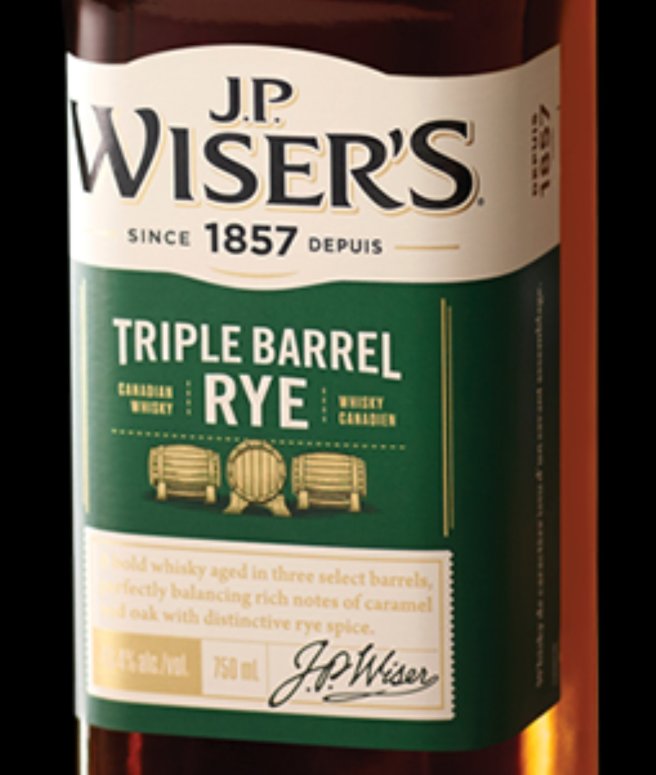
I love the photo on J.P. Wiser’s Triple Barrel Rye because they actually put three barrels on the front. It’s no wonder they say a picture is worth 1000 words 😊

If you ever have any questions about whisky never be shy. Don’t hesitate to ask. If I don’t know the answer off the top of my head I’ll go digging and find out for you.

Sláinte

LIKE and follow us on Facebook for even more news and updates:

http://www.facebook.com/WomensWhiskyWorld

The Proof is in the Labelling

Photo Credit: tastings.com

This post will be short and sweet, to the point. I’ve had a question about what does “proof” mean when it comes to a whisky? It’s simple. Alcohol content.

Let’s say a whisky is 100 proof. Half of 100 is 50. Therefore, it’s 50% ABV.

Let’s say a whisky is 120 proof. That would be 60% ABV.

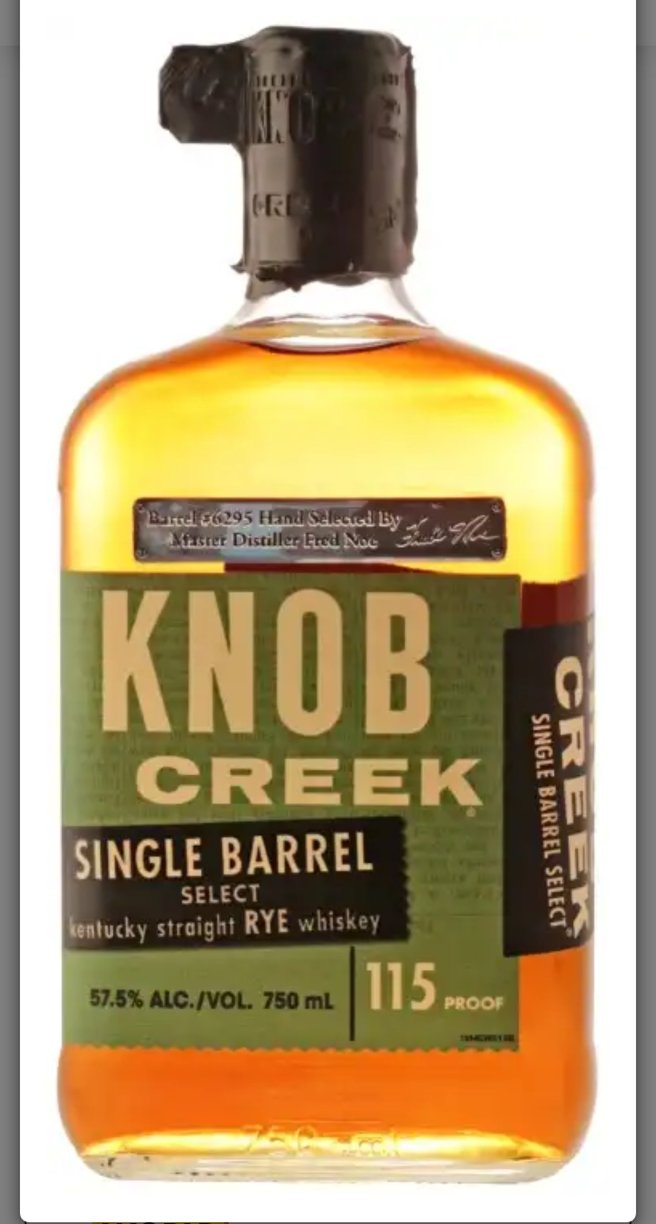
Take the Knob Creek Single Barrel Select above. It’s 115 proof. Half of 115 equals 57.5. Take a look at the bottom left hand corner of the bottle. It says 57.5% ABV.

And there you have it. The proof may be in the pudding, but it’s the labelling too.

Sláinte

LIKE and follow us on Facebook for news and updates:

http://www.facebook.com/WomensWhiskyWorld

Still Shape and Flow Rate: Their Impact on Whisky Flavour

Photo Credit: Scotland Info Guide

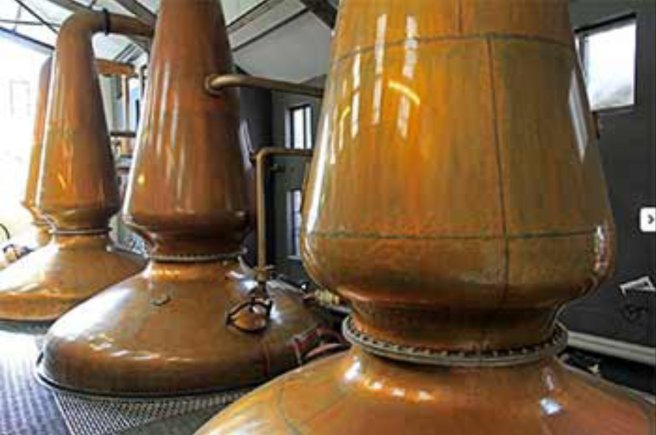
The size and shape of a still considerably impacts the flavour of a whisky. How? The copper strips out sulfurs, phenols, fusel alcohols and esters; or, smokiness, peatiness, “spicy oils,” and oilyness, respectively.

Synopsis:

1. The rate at which the whisky is distilled through the copper determines how much time the copper has to strip the whisky of these elements; and

2. The larger the surface area the more time the copper has to strip the whisky of these elements.

Rule of Thumb:

The general rule of thumb is that short and stout stills (lots of surface area) produce a more refined spirit that is going to be lighter tasting.

This said, tall and thin stills (less surface area) tend to produce more robust, oily spirits, which are dare I be so bold as to say *ahem* more full bodied.

Same goes for the speed at which the spirit goes through the still. Faster means less time to interact with copper so the spirit will be more full bodied. Slower means more time to interact with the copper so the copper will strip the contents of the whisky leaving a lighter, fresher spirit.

An important note, one type of spirit is not “better” than the other. They are merely different; so, expand your palate and try them all: old, young, fresh, and full bodied. Sláinte

LIKE and follow us on Facebook for more updates and news:

http://www.facebook.com/WomensWhiskyWorld

NAS: What’s in a Whisky, if it Were Called by Any Other Name?

Photo Credit: Whisky and Wisdom

What is NAS whisky? How did it make it on the market and why is it so popular? NAS stands for No Age Statement. Essentially, when a bottle of whisky has a blend of various whiskies inside of varying ages, some old and some young, there are some distilleries that choose to leave the age of the youngest whisky off the bottle. Why the youngest whisky and not the oldest? Because in a blend, if you are going to put an age statement on the bottle you are meant to place the youngest age on the bottle. The short way of answering the second question posed above is that over time, especially since the 1980s, it has become more and more fashionable to drink older whiskies and this is generally because they are commonly considered to have a more in depth and complex flavour profiles as compared to their younger counterparts.

I’m going to pause for a moment here to take a break and I’d like you to read something special and important, the Producer’s Tasting Notes for the Lagavulin 8 Year Old (reference: The Whisky Exchange). Have a peek between the quotation marks and while you’re reading I’d like you to ask yourself if this sounds like a simple or a complex whisky. We will revisit this question at the end of the quote:

“Nose: Immediately quite soft with clean, fresh notes, faint hints of milk chocolate and lemon and then developing fragrant tea-scented smoke alongside nose-drying, maritime aromas, with subtle cereal. A prickliness seen earlier now develops, while the trademark Lagavulin dryness emerges as fresh newsprint. Softly sooty. Softer, fuller and more rounded with water: it’s not hugely fruity but there’s just a trace of red berry preserve, perhaps, beneath the smokiness, which comes sharply into focus.

Body: Light, growing pleasantly oily.

Palate: A soothing light texture, with a magnificently full-on Lagavulin taste that’s somehow even bigger than you expect; sweet, smoky and warming, with a growing, smoky pungency, then dry, with more smoke. Charred, with minty, dark chocolate. Beautifully balanced mid-palate then salty, oven-charred baked potato skins and smoke. Water rounds things, the taste still mighty yet more succulent, sweeter, spicier and now tongue-tingling, mint-fresh and warming.

Finish: Lovely; clean, very long and smoky. Smoothly, subtle minted smoke surrounds chocolate tannins, leaving a late drying note to emerge in time. It’s warming, soft and still smoky with water, not as long or intense now, yet still leaving the palate dry as sweet smoke lingers on the breath.”

Right off the bat, let’s step back and review something tangible. That was three small paragraphs of tasting notes. Three paragraphs. Anything that warrants three paragraphs is quite clearly complex regardless of the subject at hand and therefore we may conclude that this relatively “young” eight year old whisky is rather complex indeed. Therefore, if this whisky is young and complex and older whiskies are complex then why are distilleries charging more for older whiskies?

Before I respond to that question I want to take you on a short journey. Imagine yourself in the cellar of a distillery and you’re the Master Distiller. You’ve spent literally decades working your way up to your position and your knowledge of chemical processes and your experience is staggering. You truly are a master. Imagine you’re surrounded by hundreds or thousands of barrels/casks of whisky and you are personally responsible for ensuring the superior quality and excellence of each one. You understand that the longer a whisky sits in a barrel the higher the odds are that it could spoil due to the influence of tannins. You know that the balance of flavours must be exact. You know there’s pressure on you to perform at your peak and that you must produce a winning batch of whisky that both award judges and consumers will come to love and enjoy for years. Perhaps, it’s a common blend so you know the batch needs to taste the same every time. Bottom line, you’ve got to get it right! Do you see the picture I’m painting? Why do we really pay more for longer aged whisky? There’s two reasons: they’re harder to make and only the experienced Master Distillers are going to get them right each time. In essence, we are paying for time and experience, but not necessarily “complexity.”

Some of you might argue that a whisky which has been aged longer is more complex because of its deeper flavour, its richness. Granted, there is certainly room for that argument. However, I do not believe that complexity alone is the defining factor which determines a whisky’s worth. After all, most whiskies are technically speaking rather complex, containing thousands, perhaps millions of flavour inducing organic molecules. Therefore, complexity alone should not and ultimately does not determine a whisky’s value or monetary worth. I would tend to argue that it is predominantly the depth of knowledge and the time and experience which goes into the making of a whisky which warrants its inherent value and thus its potential monetary worth on the market.

One thing I respect about the Lagavulin brand, and this is meant as an example as I’m sure other brands do this too, is that they price their whisky not by year but by its true worth. How exactly they determine a bottle’s true worth is beyond my scope, that would be up to their marketing team, but one thing I sincerely appreciate is that their pricing scheme reflects their value and respect for their younger whiskies as well as their older ones. I believe this distillery is setting an example to be followed on the market.

While it is likely that NAS is a firmly entrenched staple item on the whisky market and will stick around for decades to come, indefinitely perhaps, there is absolutely room for younger whisky to reclaim its place as a heavy hitter in the whisky world. Cheers to the distilleries that remind us of this important truth. Bonus! Younger whiskies have less wood influence so you can really get a good sense of a distillery’s character by trying the younger whiskies, too. Sláinte

LIKE and follow us on Facebook for even more updates and whisky news:

http://www.facebook.com/WomensWhiskyWorld

That’s a Heavy Whisky!

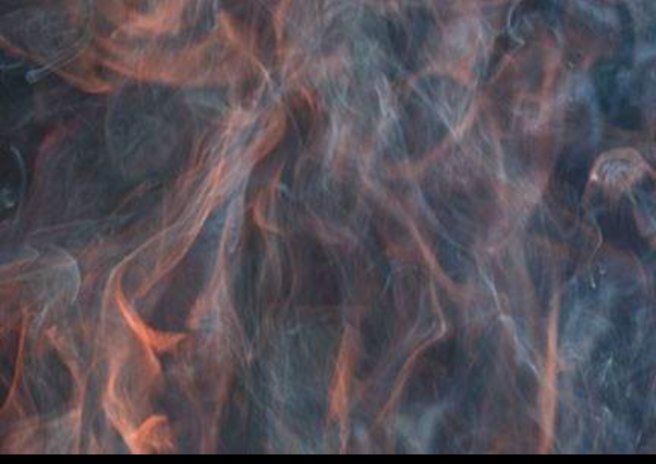
Photo Credit: Meat and Poultry: The Allure of Smoke and Fire, 25 July 2016

What is a “Heavy Whisky?” I have conducted research and found there is no consensus on the matter. Essentially, it boils down to one of two perspectives and neither would be correct nor inaccurate as there is a lack of consensus within the whisky world. Here are the two perspectives:

1. Heaviness might refer to the oiliness of the whisky, the fatty acid content of the whisky. The more fatty acid content the heavier the whisky. One way to observe this is by tipping the glass to the side and then tipping it right side up and observing the legs of the whisky slide down the glass. If the legs move slowly then there is a high oil content and the whisky can be considered “heavy.” You will see this in unchilled and unfiltered whiskies.

2. Heaviness might also refer to the flavour profile of a whisky. Typically a whisky that is both deep in flavour and has a smoky/peaty profile, which is the result of the presence of a high concentration of flavour inducing molecular compounds, would be considered “heavy.” An easy way to think about it is that a light whisky is less complex on the palate and a heavy whisky possesses sincere depth and complexity.

Regardless of which camp you’re in, and perhaps you’re in both, the bottom line is that a heavy whisky is one that is considerably more complex in nature as compared to its lighter counterparts. Regardless of where you stand remember what all the Master Distillers say: the most important part about whisky is that you’re enjoying the drink! Whether it’s heavy or light, peated or unpeated, sweet or savory, the important aspect is that you’re happy! Cheers 🙂

How do you like your whisky: Heavy? Light? In a glass at your finger tips? 🙂 Feel free to comment below with your experiences.

LIKE and follow us on Facebook for even more news and updates:

http://www.facebook.com/WomensWhiskyWorld

World Whiskies Awards 2019 ~ World’s Best Whiskies Are Coming Soon!

We’ve been waiting and it’s finally upon us! The Whisky Magazine Awards will be presenting the World’s Best Whiskies, Icons of Whisky and Hall of Fame this coming Thursday, March 28th 2019.

World Whiskies Awards grades whiskies in the following categories:

Blended: Most people will tell you this means at least two or more whiskies from two or more distilleries mixed together, but it’s more complex then this. As The Whisky Wash explains, a blended whisky varies depending on which country you’re in because law dictates what constitutes a blended whisky. Their article describes a blended whisky, generally speaking, as a whisky that contains 20% straight whisky (made with yeast, water, and grain), and 80% neutral grain spirits, such as vodka, or other whiskies. So, in other words, a blended whisky in some countries can be quite varied. The Whisky Wash goes on to describe that in Scotland in order to make a blended whisky, as expected, these distilleries must use Scotch as their exclusive ingredient; this can be in whatever ratio the Master Distiller deems fit.

Canadian Blended: This is far to complex to distill into a few short words; it is worthy of its own blog post and so it shall have one. Suffice to say it is whisky produced and blended in Canada, and believe me when I say that has an extensively broad meaning. Stay tuned. This will be an interesting blog post.

Blended Limited Release: This would be a blended whisky that is released in limited quantity thus making it special on the market, a more coveted blend.

Blended Malt: A combination of two or more single malt Scotch whiskies. Unlike blends, no grain whisky is allowed within the blend.

Single Malt: A malt whisky from 100% barley from a single distillery that is distilled in a copper still.

Grain: Whisky made from a mix of cereal grains that’s distilled in a continuous still.

Corn: A whiskey that was distilled from a fermented mash that was composed of not less than 80% corn grain.

Flavoured Whisky: Whisky with flavour added to it. Would you like to try making some of your own flavoured whisky? See reference 5.

New Make: Colourless whisky taken from the still. Multiple factors affect the flavour profile of the spirit. See reference 6.

Pot Still: Native to Ireland, it is whiskey that must be made in a Pot Still, which is a type of copper still that distils in batches. It is made of both malted and unmalted barley, which gives it a spicy flavour profile.

Rye: Whisky that is either American and distilled from 51% rye, or Canadian and may or may not actually contain rye product.

Single Cask Single Malt: A single malt whisky that was bottled in numbered bottles taken from one cask only.

Tennessee: Distilled from 51% corn, what differentiates it from bourbon is that the spirit is charcoal filtered before being poured into a barrel to mature.

Wheat: A whisky that is distilled from 51% wheat

References
1. https://thewhiskeywash.com/lifestyle/what-is-blended-whiskey/

2. https://www.thewhiskyexchange.com/c/309/blended-malt-scotch-whisky

3. http://www.lawgill.com/legal-and-practical-elements-of-the-9-09-canadian-whisky-blending-rule/

4. https://vinepair.com/articles/grain-scotch-whisky/

5. https://redheadoakbarrels.com/whiskey-flavors-flavor-whiskey/

6. https://www.smws.com/blog/unfiltered/knowledge-new-make-spirit/

LIKE and follow us on Facebook for even more news and updates:

http://www.facebook.com/WomensWhiskyWorld

The Wonderful World of Whisky Show 2019 ~ It Was Wonderful Indeed!

I’m back at my hotel and I am both happy and tuckered out. 😊 What a wonderful show indeed! The Master Distillers and Brand Ambassadors were ripe until overflowing with knowledge. Tonight I learned from Master Distiller Stephen Woodcock of Bunnahabhain that yeast makes carboxylic acids (fatty acids) which are distilled into the whisky and that’s what gives whisky its oily texture if the whisky is unchilled and unfiltered, because chilled and filtered whiskies remove the fatty acids to give a non-oily texture. Of note, pun absolutely intended, Master Woodcock mentioned he prefers whisky unchilled and unfiltered because the fatty acids provide a more three dimensional experience to the whisky. If you’re wondering, I did ask and the fatty acids have no impact on the whisky’s flavor profile. My gosh, isn’t that just astounding?! How interesting! #Bunnahabhain #Deanston #Tobermory

I also had the pleasure of speaking with Master Distiller Gordon Bruce of Ancnoc who explained to me the difference between phenol and cresol PPM in the barley vice in the bottle. For example, when the bottle says a whisky is, let’s say, 40 PPM that could mean either the PPM of phenol/cresol in either the barley from the peating process or it might mean the actual amount in the bottle and the only way to know is to ask the brand. Turns out a 40PPM might only have 13PPM in the bottle. The more you know. #Ancnoc

I was also able to spend time with the Brand Ambassador of Balvenie, Julie Johnson, who graciously walked me through her favourite whisky of the brand, the Caribbean Cask. She explained how many moons ago she used to drink primarily bourbon but one serendipitous night she tried the Caribbean Cask and was won over; a year and a half later she found herself working for the brand. What a wonderful transition! #Balvenie

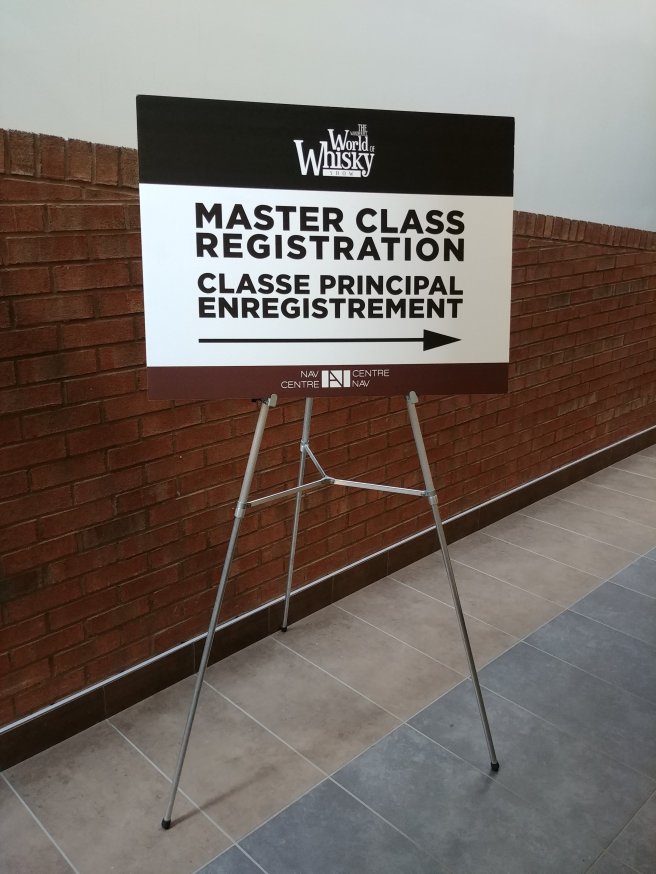
I was also able to taste a few other whiskies and speak with other Brand Ambassadors. I don’t want any spoilers though. I’ll let that information come out over these next few days, giving you some tasting notes so you can really feel like you were part of the fun! Overall, it was a truly magical event. The NAV Centre did a spectacular job hosting the event. The food was out of this world; there was a steak that had been marinated for 100 days! I cannot wait until next year’s event. Be sure to mark your calendars for March 26-28, 2020! #WonderfulWorldofWhisky

Sláinte

LIKE and follow us on Facebook for more news and updates:

http://www.facebook.com/WomensWhiskyWorld

A Million Dollar Dram

Photo Credit: The Spirit Business

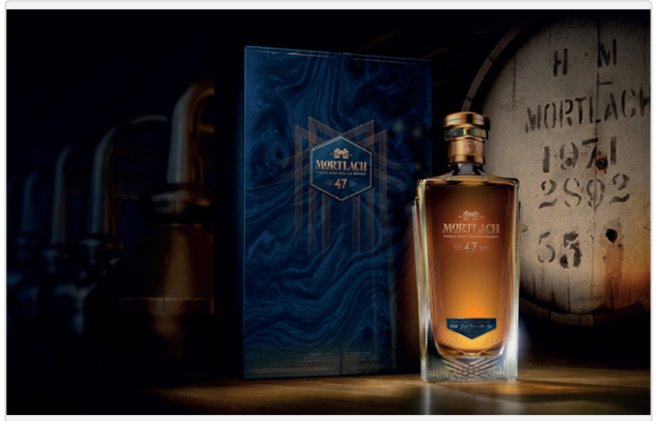
It’s wonderful to hear the Mortlach distillery had success with their old aged whisky, the Mortlach 47 Year Old! As we’ve learned from previous posts, long-term aging of whiskies doesn’t always go well as tannins from the barrel can overpower the flavour of the whisky after about 25+ years and destroy that batch of whisky; however, as seen here, that isn’t always the case. Sometimes, such as with this whisky, the phenols in the cask are converted into other compounds which give the whisky a sweeter flavor. If it’s going to happen then this will usually occur post 25 years. Some authors have described this process as an older whisky exchanging smoke for honey. It sounds like that’s what happened here and I couldn’t be happier for the distillery! Bravo and best of luck at the auction. Read about the spirit here:

Mortlach 47-Year-Old to launch for £10,000

LIKE and follow us on Facebook for more news and updates

http://www.facebook.com/WomensWhiskyWorld